Poet Without a Pen
Ben Bonkoske
-
Flash Fiction Friday #2
Thunder explodes a cloud. Great, I am without an umbrella. That’s an hour of make up wasted. Hell, the whole night might be damned. I should call and change plans. “Excuse me, which way is a wine cellar?”
-
A Ballad with my Salad
Hello World. It’s me. Mr. Bon.
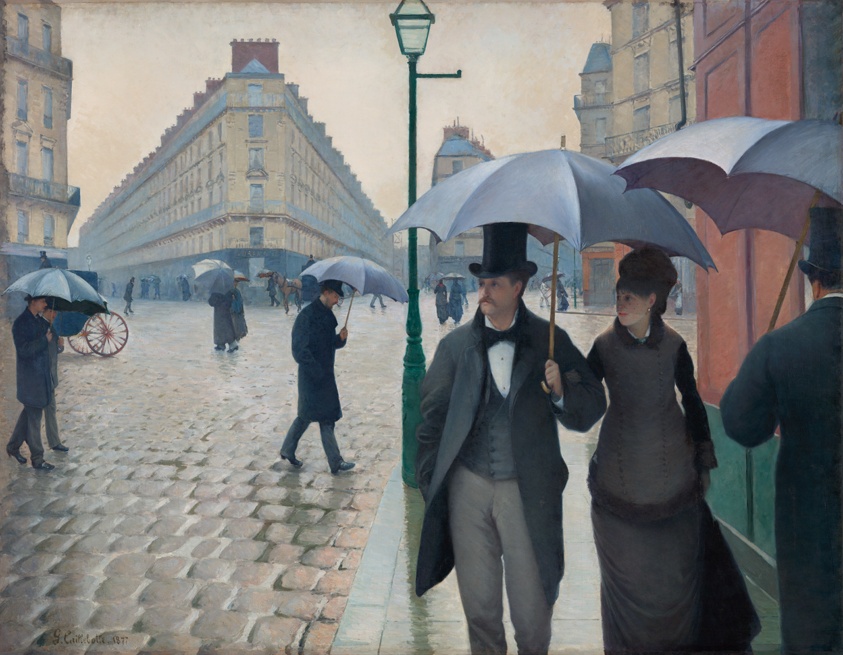
I am opening up creatively. The space of not working (or rather chasing) is allowing me to actually breathe and think about (doing) what I love.
When I told my parents that I was going to dedicate this year to “writing,” I got this kinda bad feeling in my stomach of “What If I don’t live up to what I am saying?” and worse, I got a feeling of, “What if writing doesn’t hold up to this idealized notion I have of it in my head?”
Good news, writing is still well and good. I think it’s one of the hardest mediums of art; You have to have a little bit of either lunacy or idiocracy to write anything.
However, I am reawakening the notion that I am an Artist. I can make whatever I want! “Hell, there are no rules here – we’re trying to accomplish something.” – Thomas Edison
When I sat my confused, worried, grandparents down to let them down that I wasn’t going to teach, I told them what I also told my parents. “You have four (grand) kids. Only one of them happens to be an artist. Listen, it’s not what I wanted either, but I can’t change who I am.”
And the good news is, that with a little bit of space in between me and doing what everybody else thinks they should do in society, I am identifying a lot of the springs of my creativity. I feel like there was always something in the way of doing what I wanted.
I think one of the worst things about me is the big ideas I have with no follow-through – scratch that! Big Ideas and not having the time to do them because of societal norms! I personally believe the reason I haven’t made an album in 5 years is because I’ve been so focused on shit that I don’t care about but feel I should be. Also, I need to practice…and get a microphone.
It is the end of the quarter tomorrow in Chicago Public Schools. It is hard to acknowledge that time goes on whether you do anything or not. I mention this because I am possibly 1/4th through living this dream of doing what I love.
It’s going to be a lot harder of a conversation next year. But I might need to have it, again.
I can’t say yet that this quarter has been more fulfilling than if I’d been a teacher. However, I have a good feeling that the next quarter might allow me to get into a better groove of what I want to do. Art is slow.
Substituting is great and terrible. Of course I wish I could actually teach kids something important. However, I’m enjoying having fun with the students, and I’m still going in four times a week, so money for one isn’t much of a problem. It’s good to not have anything to think about when I get home. And to read and write for 50 minutes (the exact length of my attention span) during my free periods.
The school being a few blocks away isn’t bad either. I found a school that I like. I’d like to try and teach there. Maybe I’ll write more about that soon.
I am not looking forward to working the farmer’s market this summer, so I might want to look into alternatives, like a YMCA program or something.
So, anyways, let’s hope some good art comes of what is next.
P.S Doing The Artist’s Way with my sister?

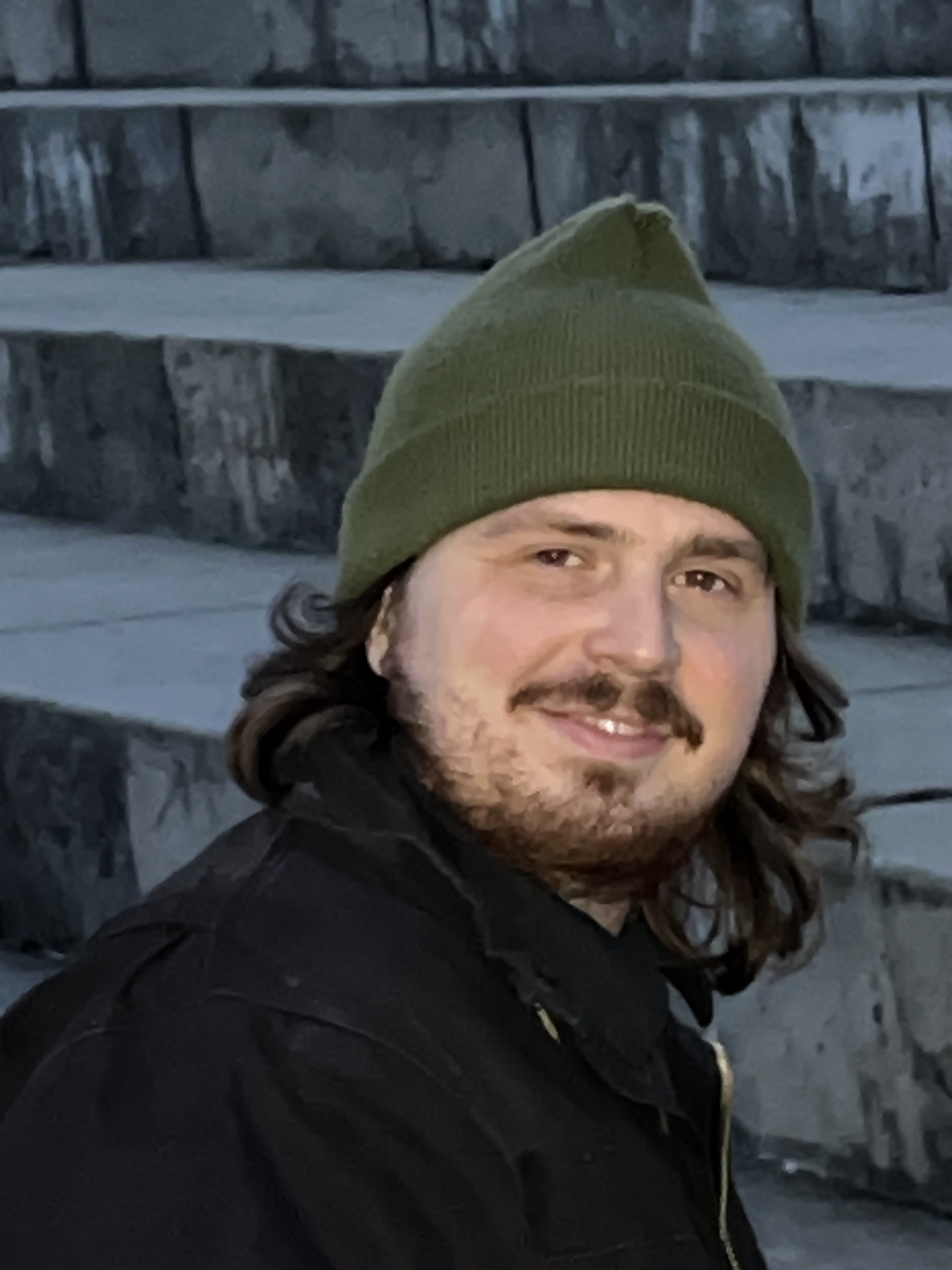
Ben Bonkoske is the author of two novels, Spoon in the Road, and Carolina, Colorado, California. He is also the author of two collections of short stories, Ten Zen by Ben, and Eleven Stories for 11:11. He lives in Chicago, where he likes to take walks.
B. A, M.A.T.
 Ben Bonkoske